
The energy needs of a 1.5-ton DC inverter air conditioner are often a topic of interest for homeowners looking to save on electricity bills by adopting solar power. A properly designed solar system can help offset the energy consumption of air conditioners, especially in regions with high sunlight. In this article, we will break down the calculation of how many solar panels are required for a 1.5-ton DC inverter AC, considering various factors like efficiency, usage, and location.
Let’s dive into what you need to know before making your solar investment.
Understanding the Energy Needs of a 1.5-Ton DC Inverter AC
A 1.5-ton DC inverter AC consumes less electricity than traditional air conditioners because it uses variable-speed technology to control the cooling process efficiently. The term “1.5 tons” refers to the AC’s cooling capacity, which translates roughly to 5,000 watts of cooling power. However, the actual energy consumption in terms of electricity is typically around 1.2 to 1.5 kW per hour, depending on the AC model, usage, and room insulation.
Key Factors Affecting Energy Consumption
- AC Efficiency: Higher energy-efficient models consume less power.
- Room Insulation: Poorly insulated rooms require more energy to cool.
- Daily Usage Hours: More usage hours increase energy needs.
- External Temperature: Hotter climates require more energy for cooling.
Estimating how many solar panels are required involves understanding both the AC’s energy needs and the capacity of each solar panel.
Calculating Solar Panel Requirements for a 1.5 Ton DC Inverter AC
To estimate the number of solar panels required for a 1.5-ton DC inverter AC, let’s follow a systematic calculation process. Here are some essential numbers:
- Average power consumption of 1.5-ton AC: ~1.2-1.5 kW per hour
- Daily operational hours: Varies, but we’ll assume around 8 hours per day
- Daily energy requirement: ~9-12 kWh
Step 1: Determining Daily Power Consumption of the AC
If the AC operates for 8 hours, the energy needed is around:
- Daily power requirement = 1.5 kW (average) × 8 hours = 12 kWh
This value (12 kWh) is what the solar panels need to generate daily to run a 1.5-ton DC inverter AC.
Step 2: Considering Solar Panel Output Based on Location
The efficiency of solar panels depends significantly on the amount of sunlight available in your location. For instance:
- Sunny regions (6+ sunlight hours): Each 400-watt panel can generate around 2.4 kWh per day.
- Moderate sunlight regions (4-5 hours): Each panel may produce around 1.6-2 kWh daily.
Assuming you’re in a sunny region, where each panel generates around 2.4 kWh daily, we can calculate the number of panels needed.
Step 3: Calculating the Number of Solar Panels Needed
With a daily requirement of 12 kWh and each 400-watt panel generating 2.4 kWh, here’s the calculation:
- Number of Panels = Daily Energy Requirement / Energy Generated per Panel
- Panels Required = 12 kWh / 2.4 kWh per panel ≈ 5 panels
Therefore, you would need approximately 5 solar panels of 400 watts each to run a 1.5-ton DC inverter AC for about 8 hours a day.
Factors Influencing the Number of Solar Panels Needed
The exact number of panels may vary based on several factors, which you should consider for more precise planning.
1. Solar Panel Efficiency and Type
The efficiency of solar panels varies between brands and types. High-efficiency monocrystalline panels generate more power per square foot than polycrystalline panels. Choosing efficient solar panels can reduce the total number required to power your AC.
2. Daily Sunshine Hours
As mentioned, sunlight hours differ by location. If you live in an area with lower sunlight, you may need more panels or higher-wattage ones to achieve the same energy output.
3. Battery Storage for Night-Time Use
Solar panels only generate electricity during the day, so if you intend to use the AC at night, you’ll need a battery storage system. Batteries store excess power generated during the day for later use, ensuring continuous AC operation even after sunset.
4. Usage Pattern and Energy Demand Variations
Cooling requirements often change based on room occupancy and external weather. For instance, if the AC runs longer during peak summer months, your solar system may need to generate extra power to meet this demand.
Benefits of Running a 1.5 Ton DC Inverter AC on Solar Power
Installing solar panels for a DC inverter AC brings several advantages, from cost savings to environmental impact. Here are the key benefits:
Cost Savings on Electricity Bills
Using solar panels to power an AC reduces reliance on the grid, which can significantly lower monthly electricity bills. The savings are even more substantial in hot climates where air conditioning is essential for most of the year.
Environmentally Friendly Cooling Solution
Solar power is renewable and eco-friendly, helping reduce your carbon footprint. By using solar energy to power your AC, you contribute to lower greenhouse gas emissions and sustainable energy use.
Energy Independence
A solar-powered AC system reduces dependency on the electricity grid, providing more control over your power consumption. This is particularly beneficial during power outages or peak demand times, when grid electricity can be more expensive.
Increased Home Value
Homes with solar panel installations generally have higher resale values. Solar-powered ACs are attractive to buyers looking for energy-efficient homes with low utility costs.
Essential Components for Running an AC on Solar Power
To set up a solar-powered system for your AC, you’ll need several components aside from solar panels:
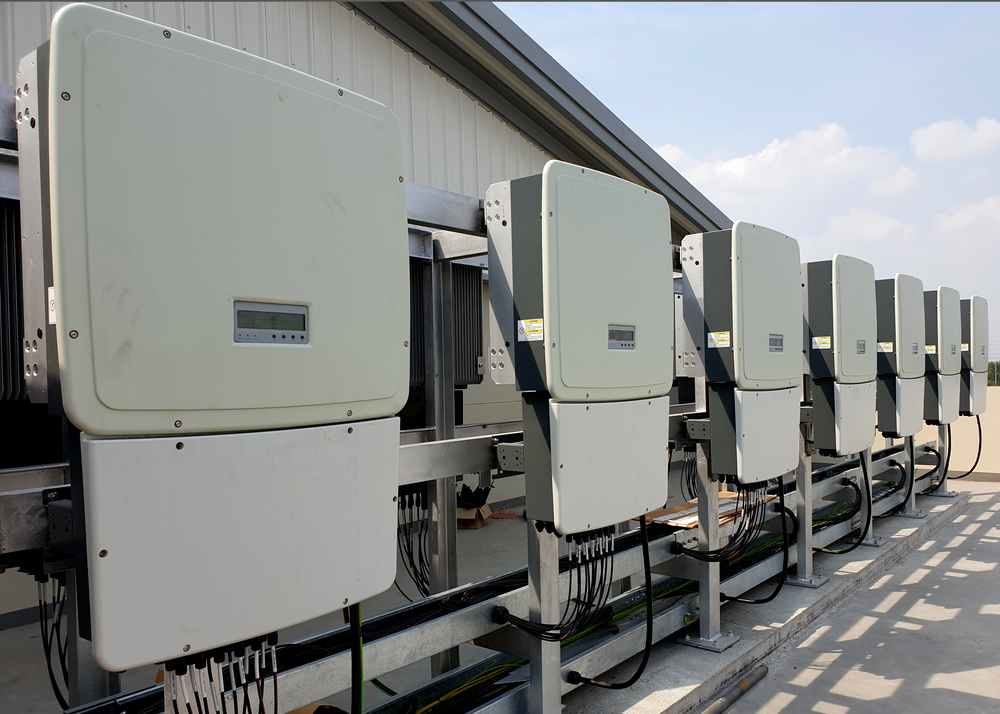
- Inverter: Converts DC power from solar panels into AC power compatible with home appliances.
- Battery Storage (optional): Stores extra power for night-time use or cloudy days.
- Charge Controller: Manages the power going to the batteries, preventing overcharging.
- Mounting Structure: Secures solar panels at the right angle for optimal sunlight exposure.
Choosing high-quality components will maximize the efficiency and longevity of your solar setup.
Cost Considerations for Setting Up Solar Power for AC
The total cost of installing solar panels for a 1.5-ton DC inverter AC includes the panels, inverter, batteries, and installation. Here’s a breakdown of approximate costs:
- Solar Panels: Prices vary but are often around $200-$400 per 400-watt panel.
- Inverter: A quality inverter can cost between $500-$1,500 depending on the capacity.
- Battery Storage: Costs range widely, with high-capacity batteries averaging $800-$2,000.
- Installation: Professional installation fees depend on location and complexity, often around 10-20% of the total equipment cost.
While upfront costs are substantial, solar panels generally pay for themselves within a few years through electricity savings.
Tips for Optimizing Solar Panel Performance with AC
Maximizing solar panel efficiency ensures you get the best results from your investment. Here are some practical tips:
- Regular Cleaning: Dust and dirt can reduce panel efficiency, so keep them clean.
- Optimal Tilt Angle: Install panels at an angle that maximizes sunlight exposure.
- Efficient AC Use: Use energy-saving settings on your AC and cool rooms only when necessary.
- Monitor System Performance: Regularly check panel output and battery health to prevent issues.
With the right setup and maintenance, a solar-powered AC system can be both economical and reliable.
DSG Energy is committed to transforming energy use in Pakistan by promoting renewable solutions, especially through advanced solar installations. For those considering how many solar panels are required for a 1.5 ton DC inverter AC, DSG Energy offers tailored solar systems that meet these specific energy needs efficiently. By focusing on cutting-edge grid-tied solar systems, DSG Energy empowers homeowners to reduce electricity costs and contribute to a cleaner environment. With DSG Energy’s solutions, you can enjoy reliable power, lower bills, and a sustainable energy future—ideal for powering essential appliances like air conditioners.
Final Thoughts on Solar Power for 1.5 Ton DC Inverter AC
Powering a 1.5-ton DC inverter AC with solar energy is a feasible option that provides long-term savings and environmental benefits. By understanding your energy requirements, selecting the right number of panels, and optimizing system performance, you can enjoy a comfortable and eco-friendly home cooling solution. Solar power offers a sustainable way to meet your cooling needs while minimizing electricity costs, making it a valuable investment for the future.
Take time to assess your specific energy needs and consult with solar experts to ensure your system is correctly sized for maximum efficiency and savings.
Related Posts

How to Find Reliable Homework Help Services Online
As students navigate demanding coursework and deadlines, many turn to…

Take Online Assignment Helper to Get a Unique Assignment Solution
Many students come to the USA to further their education…
Udyam Registration Certificate Made Easy: Your Ticket to Government Benefits
Starting a business in India is an exciting journey filled…