
Introduction
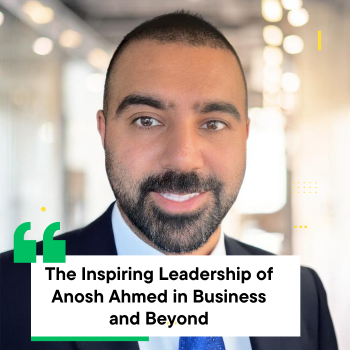
Anosh Ahmed’s name resonates with innovation, integrity, and impact. As the CEO of the Private Family Office of Anosh Ahmed (PFOAA), he has established himself as a leader who drives success across multiple sectors, including real estate, healthcare, and philanthropy.
Building a Multi-Sector Legacy
PFOAA, founded in 2006, is more than an investment firm; it’s a platform for change. Under Anosh Ahmed’s leadership, the office has diversified into telecommunications, financial trading, and commodity trading, among others. His investments are guided by a clear principle: create value while fostering community development.
For Anosh Ahmed, leadership involves thinking beyond short-term gains. He ensures that every venture contributes to sustainable growth and addresses societal challenges, making PFOAA a leader in ethical investment practices. Through his leadership, PFOAA not only provides financial returns but also generates employment opportunities and uplifts communities worldwide.
Redefining Real Estate
Real estate is one of the cornerstones of Anosh Ahmed’s portfolio. His investments span hospitals, multifamily housing, and agricultural land, reflecting a commitment to societal needs. For instance, the hospitals he owns are designed to provide accessible and quality healthcare, particularly in underserved regions. This dual focus on business and social impact is a hallmark of his strategy.
Multifamily housing is another focus area, aimed at providing affordable and comfortable living spaces. These projects not only meet housing demands but also foster community growth by creating safe, inclusive neighborhoods. His dedication to improving living standards through real estate demonstrates his long-term vision for societal betterment.
Additionally, his agricultural investments in Asia demonstrate a unique approach. The agricultural land he owns is used to produce food that is donated to charitable causes. By leveraging his business assets for philanthropy, Anosh Ahmed sets a precedent for using wealth to address global challenges like food insecurity.
In the hospitality sector, Anosh Ahmed’s ventures contribute to local economic growth. By investing in hotels and tourism-related properties, he creates job opportunities and promotes regional development. His ability to balance profitability with social impact highlights his forward-thinking approach.
The Role of Philanthropy
Anosh Ahmed’s philanthropic vision is rooted in his belief that true leadership involves giving back. Through the Anosh Inc. Foundation, he supports initiatives that address education gaps, healthcare access, and poverty alleviation. The foundation’s scholarship programs, mentorship opportunities, and resource drives have transformed countless lives.
During the pandemic, Anosh Ahmed’s efforts to provide educational resources showcased his dedication to empowering the next generation. By distributing laptops, books, and school supplies to children in need, he ensured that students could continue their education despite unprecedented challenges. His work in this area underscores his commitment to creating opportunities for future leaders.
In addition to his foundation’s work, Anosh Ahmed collaborates with organizations like the American Red Cross and Developments in Literacy (DIL). These partnerships amplify his impact, enabling him to reach more people and address diverse challenges. His contributions to healthcare, education, and community development reflect his holistic approach to philanthropy.
Key Takeaways from Anosh Ahmed’s Leadership
Anosh Ahmed’s journey offers insights for anyone aspiring to make a difference:
-
Think Big, Act Local: Address global challenges by starting with community-focused initiatives.
-
Combine Expertise with Vision: Use your knowledge to create solutions that benefit society.
-
Commit to Continuous Impact: Make philanthropy an integral part of your business strategy.
-
Balance Profit with Purpose: Ensure that every venture contributes to societal betterment.
A Roadmap for Future Leaders
What sets Anosh Ahmed apart is his ability to blend innovation with compassion. Aspiring leaders can learn from his emphasis on sustainability, ethical investments, and philanthropy. By prioritizing community welfare alongside financial growth, Anosh Ahmed has created a legacy that extends beyond business success.
Conclusion
Anosh Ahmed’s leadership is a testament to the power of purpose-driven success. By integrating innovation, compassion, and a commitment to excellence, he sets a standard for leaders across industries. His story inspires others to aim higher, think broader, and make a lasting impact. As a leader, Anosh Ahmed demonstrates that true success is measured not only by profits but also by the positive change one creates in the world.
Related Posts


How to Find Reliable Homework Help Services Online
As students navigate demanding coursework and deadlines, many turn to…

Mastering Unit 2 Marketing Processes and Planning: A Comprehensive Guide
Introduction to Unit 2 Marketing Processes and PlanningIn the dynamic…